
by Nancy Armitage
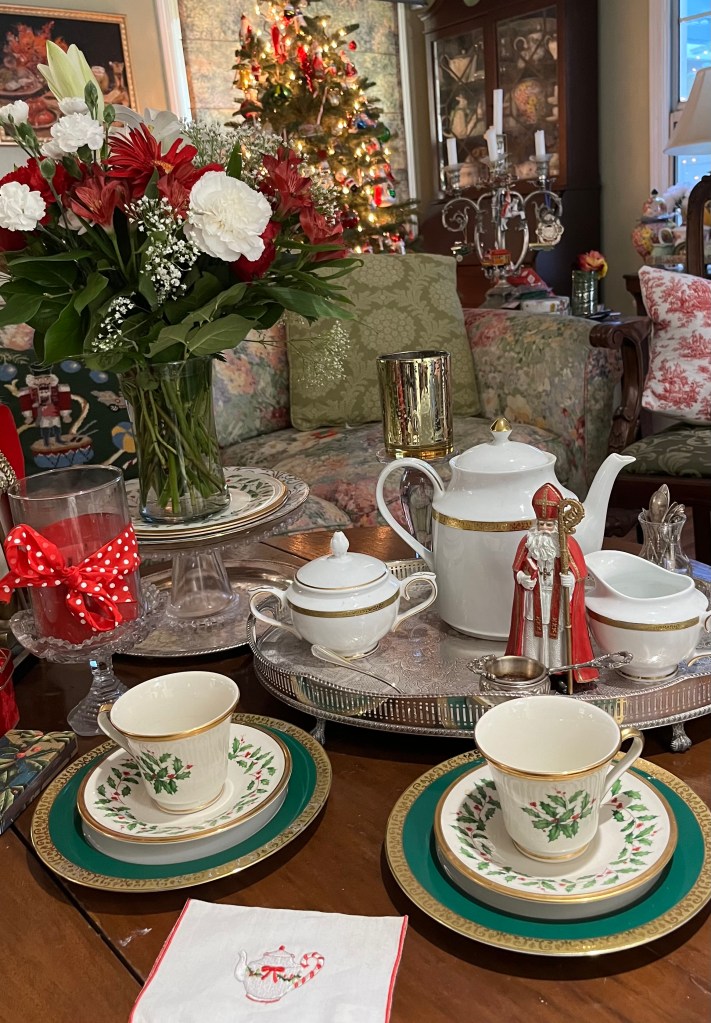
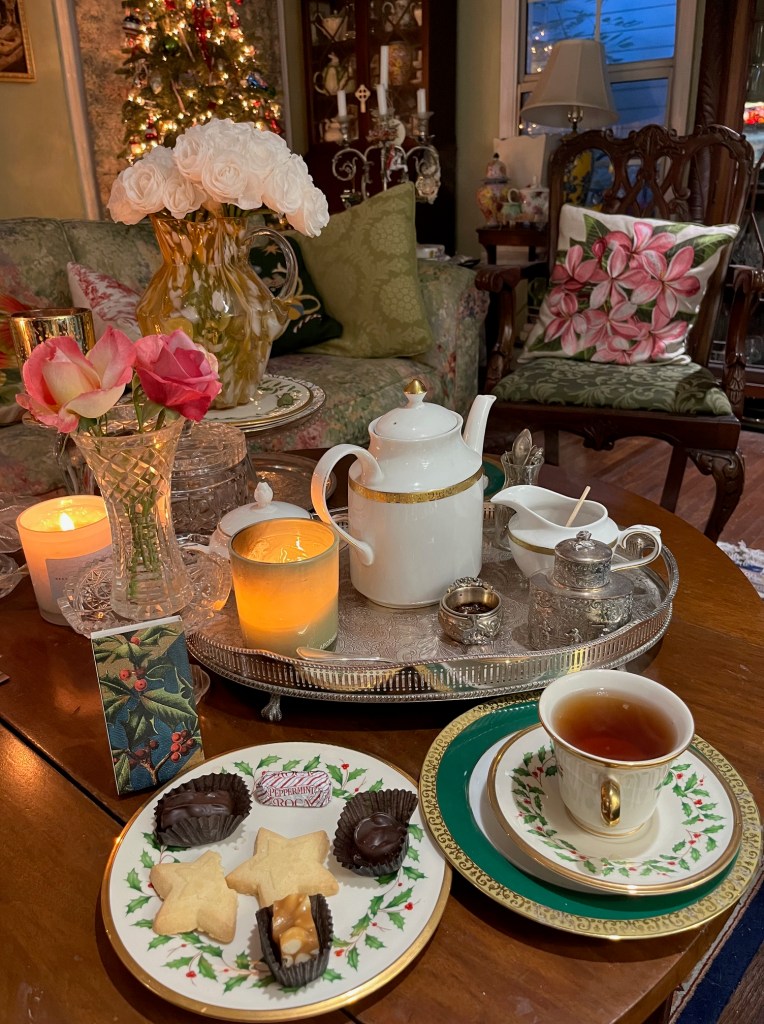
Mrs. Arabella Huntington often included French “Bonbons” & Candied Jordan Almonds on her tea menus & after-dinner treats. Bonbons or French Chocolate Bon-bons or small petit candies were very popular during the Victorian & Edwardian eras. By definition, the “Bon-Bon” is a piece of candy, specifically a small chocolate & chocolate-covered candy, cocoa-covered or fondant-covered candy. Some can be as small as a marble & as big as 1″ wide. The chocolate ball or French “bon-bon”, could have a center of sugar fondant to which dried fruit, nuts, or flavoring (cherry, mint, or orange) is added. A “Bonbonniere” (French) is a “small fancy box or dish for bonbons”. In France, they are called chocolate boxes, a special treat for someone’s birthday. Also, marzipan & chocolate-covered strawberries were also popular in 1920’s.
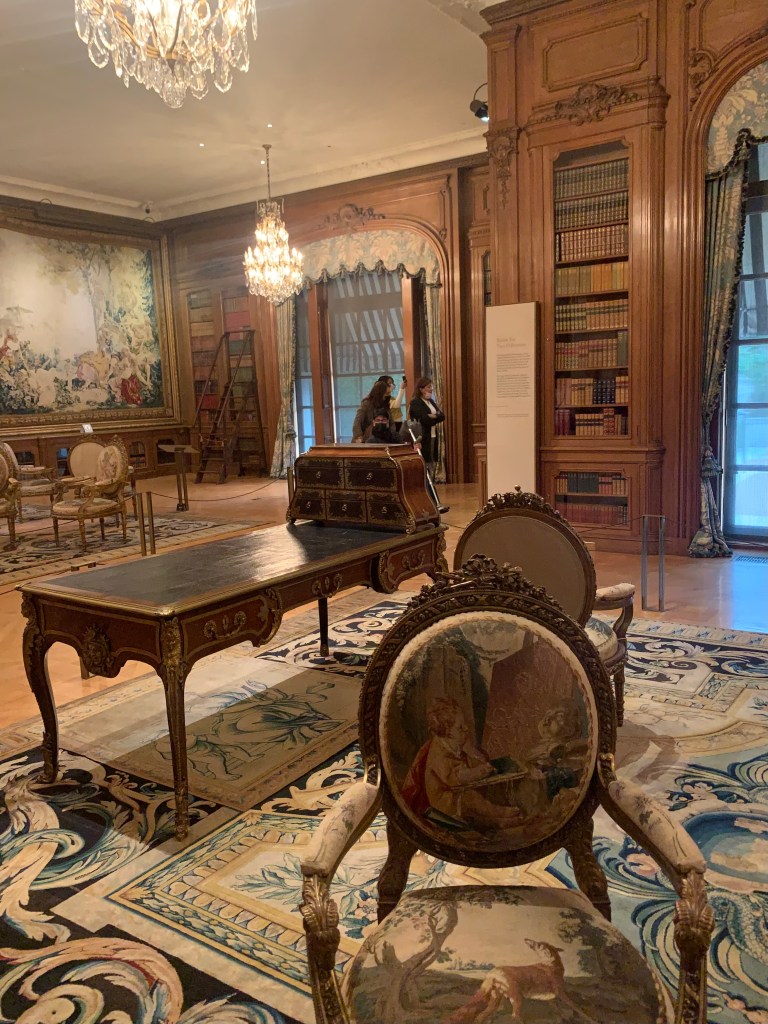
When displaying Mrs. Huntington’s tea goodies like Bon-bons, Huylers’ Chocolate candy, or Jordan Almonds (all favorites of Mrs. Arabella Huntington’s “At-Home” teas gatherings) she had a variety of Bon-bon dishes. Some bon-bon dishes were footed or low small little dishes. Some were silver-footed candy dishes with filigree on the edges, & some were fine bone china or porcelain or glass candy dishes. Of course, doily-lined & the candies in paper candy wrapper to make them look pretty. The Huntingtons had many silver accoutrements especially for “Bonbons”. In the Huntington Mansion Inventory at the San Marino Ranch, I did find 2 Gorham silver “Bonbons dishes”, which were both engraved with “H” for Huntington. The engraving on the silver is in the middle of the small silver dish. Silver bonbon dishes are usually in the shape of a scallop or a heart or (Gorham silver often are 6″ round with filigree around the edges.)

At Mrs. Arabella Huntington multi-course dinner parties, French “Bon-Bons” were listed at the bottom of her formal Dinner-Menu with fruits, desserts & nuts. Maybe served with coffee or after-dinner drinks in the Large Drawing-Room (SMR) or the Large Library (SMR).

In Fanny Farmer’s Boston Cooking School Cookbook (1918), she explains that “Bonbons” were fondant shaped small balls. They had a variety of centers like cocoanut, French candied cherries, nuts, but the vanilla was usually preferred. Think American See’s chocolate candies, Mrs. Mary See’s & her son, Charles started their company “See’s Candy” in the 1921, she lived on Raymond Ave. in Pasadena, CA & the 1st See’s Candy Store was at 135 Western Ave. Los Angeles, CA.
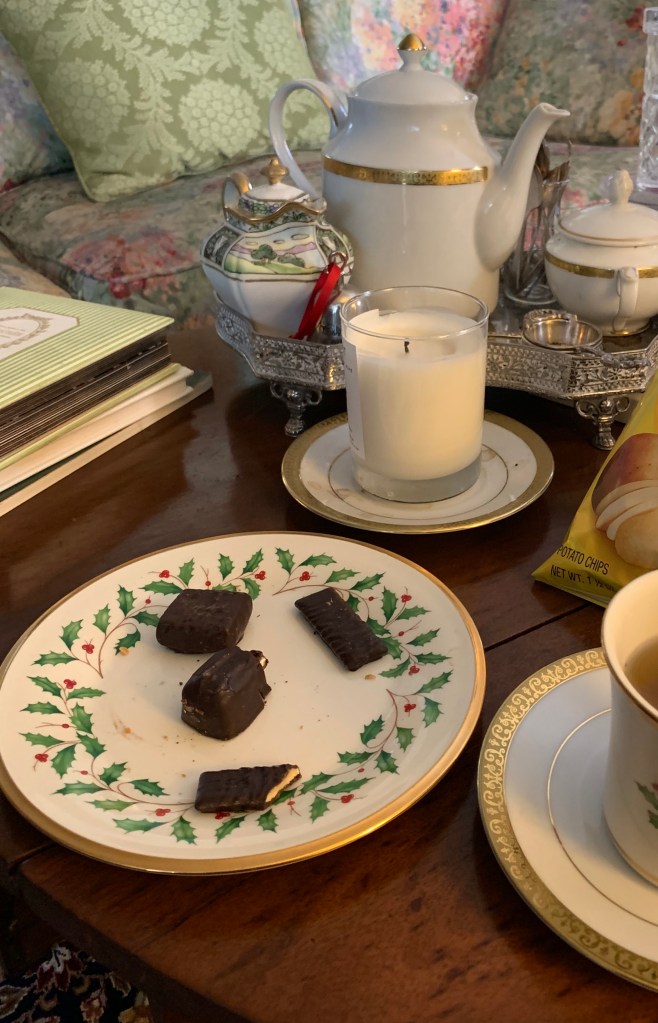
In the 1890’s – early 1900’s, Victorian women had to fit into very snug tight dresses with hour glass waists. They would enjoy the tradition of “Calling” on one’s friends & acquaintances. But they could be a fattening experience, like Thanksgiving, Christmas, & New Year’s Season. All the good things all at once; these “At-Homes” teas were once a week affair or once a month. If one “called” or visited several friends in one day, oh my, many teacakes, cookies, biscuits, candies, & dainties were offered. So little bites or “bonbons” became popular & fashionable, & very much appreciated.

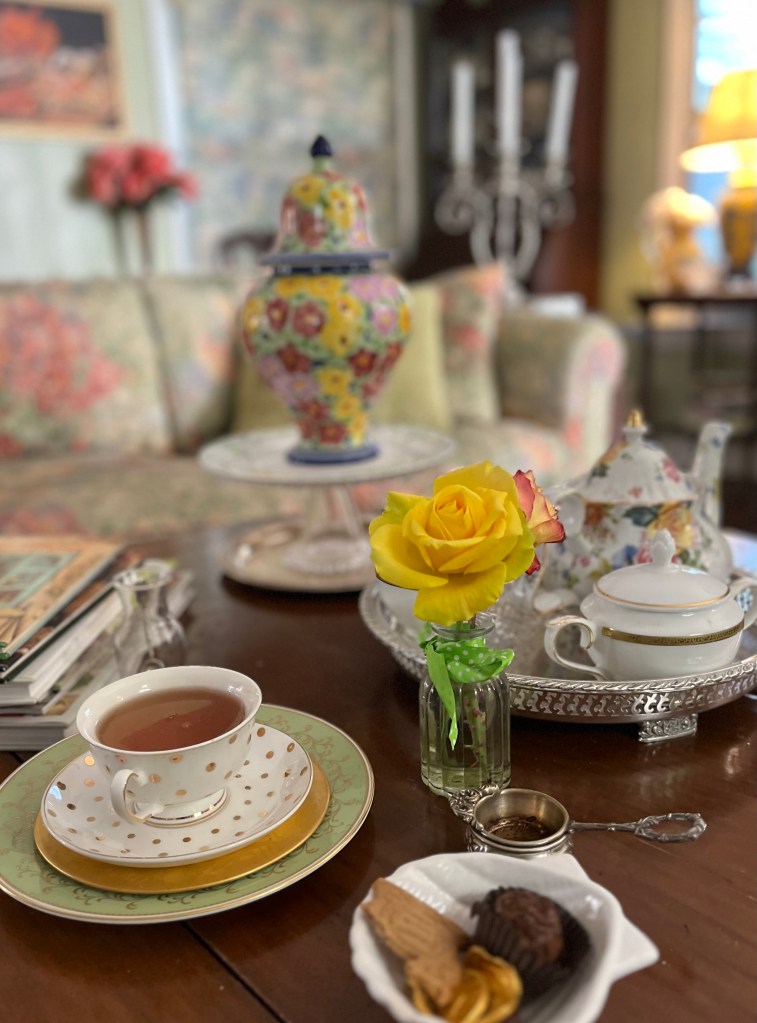
Bonbons were the perfect item for afternoon tea or what they called at the time Huntington “At-Homes” tea parties. The bon-bons candies were small, very showy, & pretty. A hostess or her “waitress” (a Huntington maid that helped served afternoon tea) would place bonbons or tiny pecan-tassies (small pecan pie) or small mincemeat tart on her bonbon dish. Women would much rather eat a little bite of chocolate candy instead of a big piece of cake.
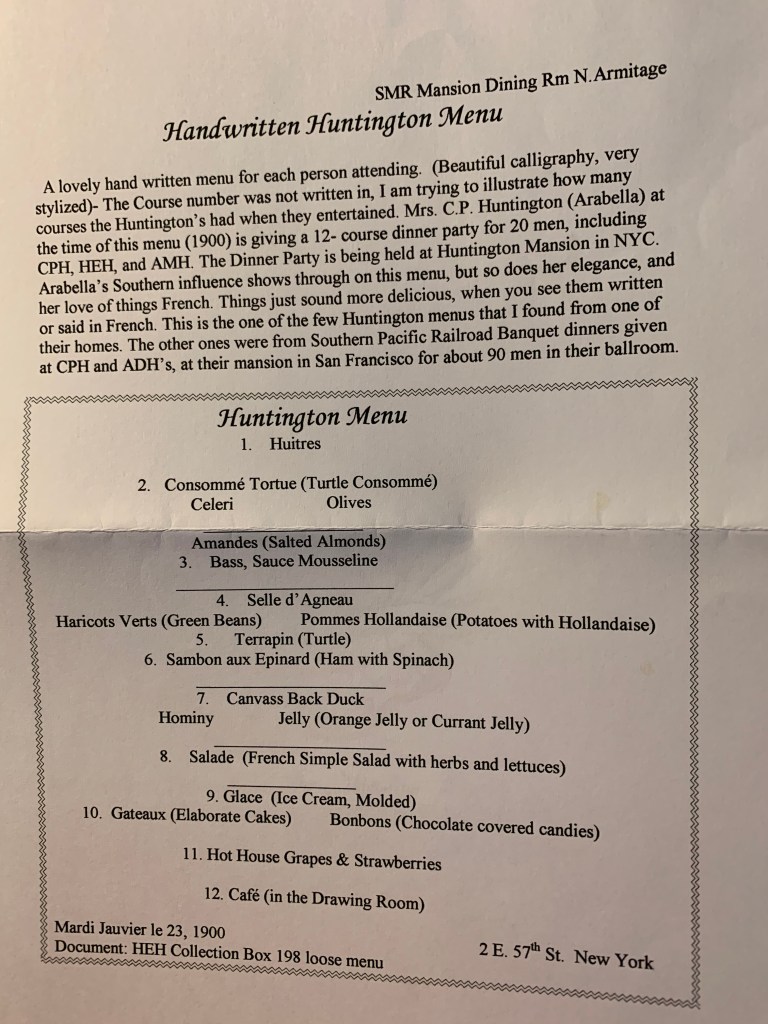
“Bonbons” were on many of the Huntington family menu ephemera & Victorian menus that I found. In the Huntington H. E. Huntington family papers, I found a handwritten January 1900 menu (below) from the Huntington’s Mansion at No. 2 East 57th Street NYC, NY. It listed “Bonbons” as a dessert or a after-dinner treat with hot house grapes & strawberries (In January in snowy NYC).
The Huntington’s also offered Jordan Almonds (a candy-coated almond) & Petit French Napoleons as a bonbon. On the original dinner menu: Mrs. Caroline Campbell, Mrs. Arabella Huntington’s personal secretary probably wrote out this beautiful scripted menu in her beautifully hand-writing. Sometimes, Mrs. Arabella Huntington hired Tiffany & Co. in Paris & New York City to illustrate a festive themed party menu & place cards for their guests names at the table. The Huntington menus are a great source of information, because they listed the food, wine, & champagne for these Huntington 10-16 multi-course dinners they hosted.
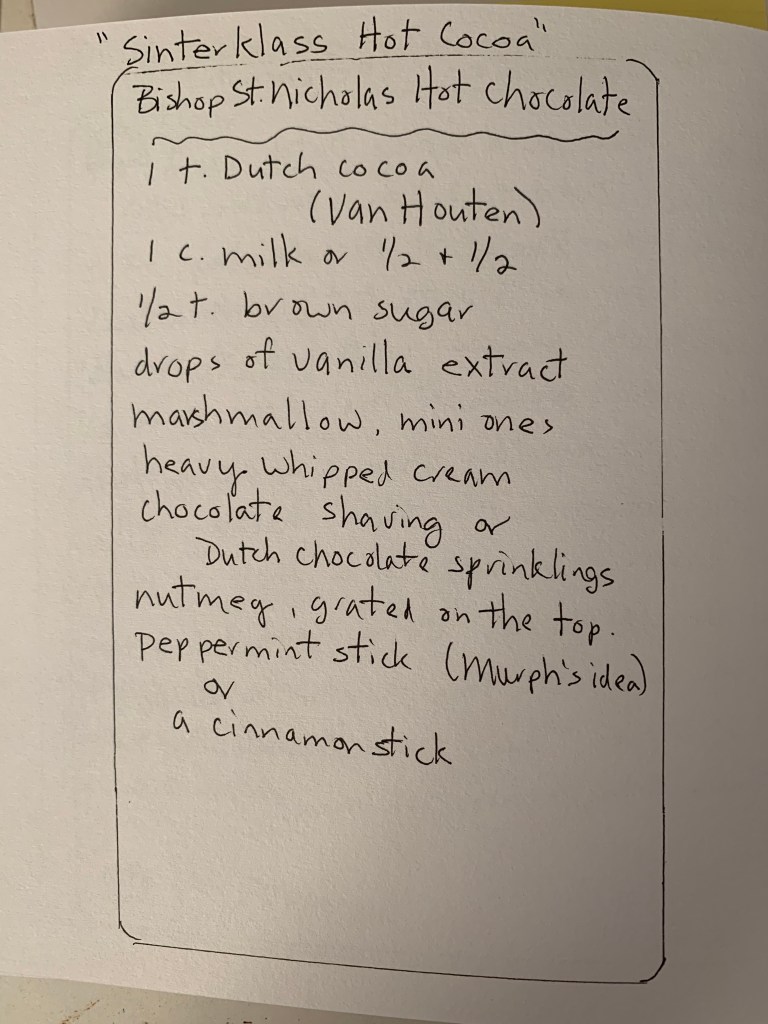
At the Huntington Mansion in New York City, The Huntingtons had a house account at a fancy chocolate shop called “Huylers”. They sold cocoa, fine chocolate, with fancy chocolate tins and gift baskets. Huylers had 14 locations in New York City at one time with one in the Waldorf – Astoria Hotel & one at the Plaza Hotel. Mrs. Arabella Huntington was often at these hotels for afternoon tea or charity events. Huylers also sold Cocoa powder to make delicious hot cocoa, & gourmet candies, bonbons, Washington toffee in a special tin, & all kinds of flavored chocolates. They also specialized in Novelties of Fancy Candy boxes (white & gold) or ornately decorated tin candy boxes (Christmas time) or Fancy Baskets filled with tins of cocoa, fancy candy boxes, & special treats.
I found two monthly Huyler’s Candy Store NYC, 1919 invoices. They were signed by the Huntington’s Head Butler, Mr. Angus McGilvary; I found the Huntington’s favorite candies. The list of confections are as followed with 1/2 lb. of each: Cream Peppermints, Chocolate Bonbons, Brazil Bonbons (probably with a Brazil nut), Chocolates, Peppermint paste, & Glace Nuts (very popular in 1890’s-1910).
Mrs. Arabella Huntington’s Christmas Fine China
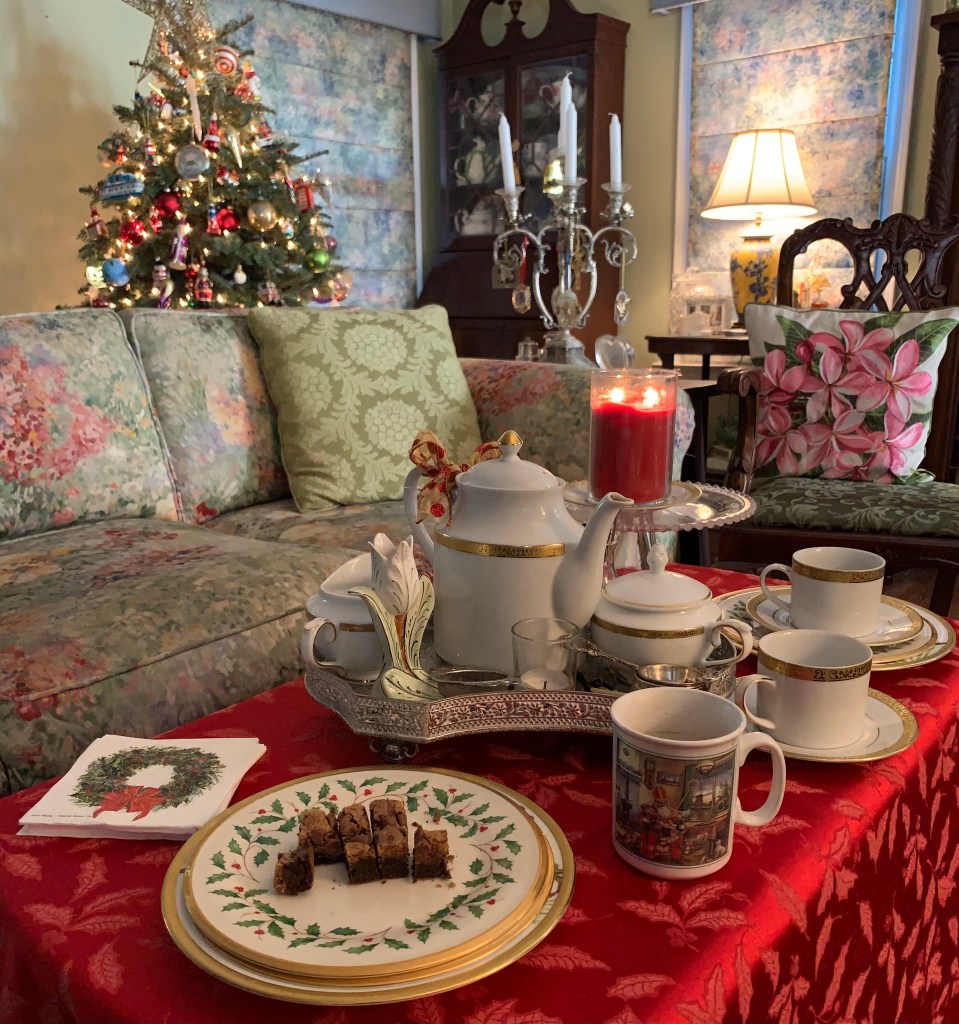
Mrs. Arabella Huntington’s “Christmas Fine China” fine bone china plate pattern are unknown. She did have Wedgewood, pattern unknown, & Royal Derby is quite gold & ornate, pattern unknown. Mrs. Huntington also owned many patterns of French Havilland & French Limoges (gold & white) porcelain plates. Which would have also been perfect for Christmas…. Using red napkins & red tablecloth it would be stunning. Gold & white plates are elegant & pretty during Thanksgiving, Christmas, New Years. I always envisioned Mrs. Arabella Huntington’s Christmas tablescape with bright red & gilded gold plates (like below). She did have Sheffield plates (below) at her Nob Hill Mansion in San Francisco; but the pattern is unknown. Mrs. Arabella Huntington also loved any porcelain plate patterns of royalty, so the Sheffield “Elizabeth Sovereign” is a possibility. At the San Marino Ranch, she also had a Capodimonte armorial Italian Della Robbia plates made in Naples Italy. Della Robbia plates are a Italian love letter to Christmas, Angels, & the Nativity – the Holy Family. All favorites of Mrs. Arabella D. Huntington.

 Inside the Huntington's Story