
By Nancy Armitage
In the Gilded Age, at a multi-course dinner banquet, the host would often include on her menu, a “Cheese Course”. Sometimes, on the formal dinner menu is was referred to as “Fromage” Course (French for cheese). It was served after the Salad Course & before the Dessert Course. This cheese course could appear in many different ways: a cheese croquette, Victorian Cheese Sticks with cayenne or 3 different French cheeses (Brie, Camembert & Goat cheese) on a plate; very popular in the Gilded Age 1890-1920’s. The silver companies (Gorham & Sheffield) even supplied special silver accoutrements like silver cheese forks & silver cheese knifes for the occasion.
France is the birthplace of “Charcuterie” boards, which means meat freshly cooked, or dried & cured meats in the beginnings. In the 1400’s, (15th Century France) it was a way to cure meats. The art of making a charcuterie (cured meats) & cheese board started in France.
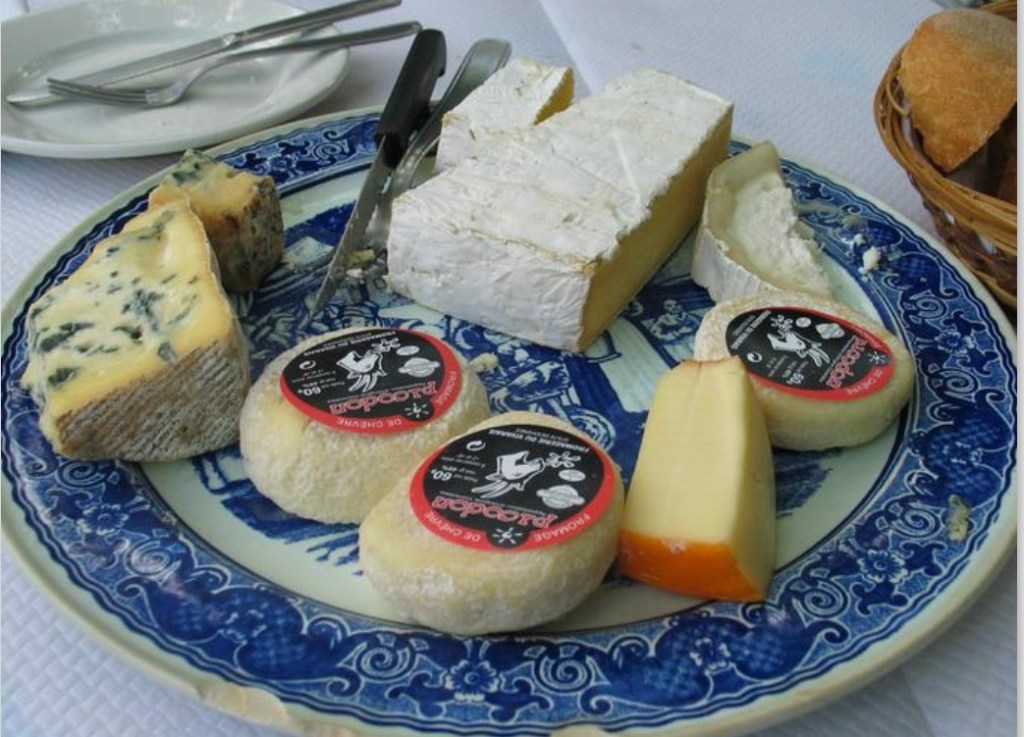
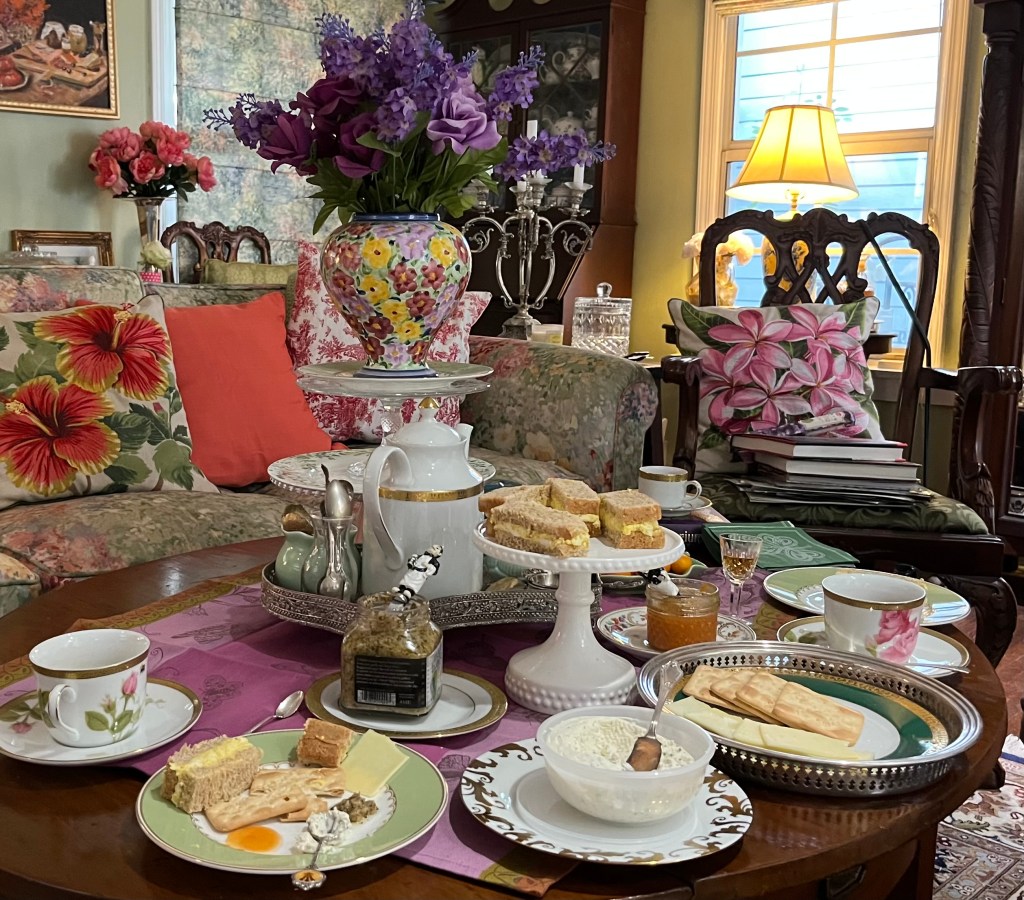
A Charcuterie board could have sausages, salami, or forcemeats (like cooked chicken or veal balls). A good rule of thumb is the 3-3-3- rule of Charcuterie board: 3 meats, 3 cheeses, 3 crackers or bread sticks or bread slices. Other accompaniments, can be roasted almonds or cashews, fruit like dried apricots or cranberries, or cut celery or carrots. But, I always like savories like baby pickles & good flavorful olives for their saltiness; I also add sprigs of rosemary, sage, or Italian parsley to garnish & to make it look pretty.
Often, including on the board was Jambon (Ham) Saucisson (cooked or dried Sausage), Boudin (type of sausage) & delicious duck pate with cheeses. Charcuterie boards can make a fine luncheon picnic feast, too. Also, including salami, meats, & cheeses, with olives & pickles, dried fruit like apricots, & salty nuts. I like to have a theme with my charcuterie board, like French theme: 3 French cheeses (Camembert, Goat Cheese & Port Salut), 2-3 sliced meats or Toulouse sausages & Duck pate, French Nicoise olives, crunchy petit pickles “cornichons”, colorful fresh red raspberries & sweet jams (fig jam) or orange marmalade or apricot jam.
1950-2000’s, at a formal dinner in America or on a cruise ship, the cheese course were offered at dessert time. The ship guests could choose or have both cheese course & dessert course. In 2020’s on a Charcuterie Board – as a appetizer became very popular. Cheeses & meats menus at restaurants, for a nibble or “small plate”. Before that 1990’s, often while wine tasting in California, a tasting room or winery would bring out individual small charcuterie plates. Offering little nibbles with California olives, nuts like California Almonds, California goat cheese, & other French & California cheeses & salami or prosciutto to merry with the wines.
The H. E. Huntington’s No. 2 57th St. Mansion NYC, NY: “Edwards & Belle”
At the Huntington’s Mansion at No. 2 New York City, NY- There was many assorted cheeses especially French cheeses served at the Huntington Dining-Room Table at 57th Street & 5th Ave. The Huntington Head Cook bought mass quantities of French Roquefort Cheese, French Brie, & Camembert cheeses. Often the host can label the cheeses with pewter cheese labels or popsicle sticks. Also, listed on gourmet grocer list: McLaren’s whipped cheddar cheese, McLaren’s crock of whipped Roquefort cheese (made in Canada), American cheese (sharp NY Cheddar cheese made in America) & Swiss cheese & French St. Andre for sandwiches. These cheeses could also have been used for cheese board, “At-Home teas”, or French fondue. They made lovely hors d’oeuves with Roquefort cheese called Roquefort Puff Canapes, or Cheese Puffs, very popular in the 1920’s.
In addition to the French cheeses, let’s check the Huntington invoices for other items to use for the Fromage or Cheese Course. Many types of California Black Olives, Queen Olives (Top quality Spanish green olives) or Provencal Nicoise petit olives, 1920’s “Bread & Butter Pickles, Southern Pickled Okra, & Pickled onions , or Marinated California Artichokes. Dried fruit could have been Dried Mango & Apricots, dried Cranberries or dried Cherries. With Dried meats: Salami & thinly sliced Virginia Ham (a favorite of Arabella’s) & French Dijon Mustard with roasted California Almonds or cashews. Served with great fresh French or Sourdough bread. It a moveable feast what they could have used, the season that they were in, & what was in the refrigerator or iced box.
Document : HEH Coll. 38/11 uncat (NY Household Bills 1919 -Huntington Mansion at No. 2 57th St NYC.
Roquefort Butter (popular in the South, especially in Savannah, GA). This Southern flavorful butter is fabulous on warm French bread, Sour dough bread, toast points, or Bent’s water crackers. It could have been used at the Huntington “At Home” tea parties, cheese & crackers might be served with California Mission grapes & dried fruit like apricots, nuts (pistachios, walnuts or pecan) & sunflower seeds. Also, for a yummy nibble, the popular Victorian “Cheese Wafer” cracker or “Cheese Straw Canape” with spicy cayenne pepper. Cheese Straws were made with puff pastry or pie crust & cheese brushed with egg yolks & sprinkling of cayenne pepper & baked.
Roquefort Butter Recipe (Beurre de Roquefort)
Famous in Paris & in America – I have had this butter in Savannah, Georgia. At Savannah restaurants, it was served in a cute small crock or ramekin with a basket of warm French bread, it is delicious! One could also place a tablespoon of Roquefort Butter on a steak or piece of cooked grilled chicken.
1/2 c. butter, soft
1/2 c. (2 oz.) Roquefort cheese
1 shallot, minced fine (sauté in butter & wine)
a drizzle of French Chardonnay or dry white wine
2 T. parsley, chives or thyme or dill, minced up
Mixed peppercorns
In a small bowl, add butter & cheese & the minced herbs. Grind the peppercorn & mix. Place into a small round or heart shaped ramekin with a small cheese knife. Serve with warm bread or rosemary crackers on a charcuterie board.
The Huntington’s Nob Hill Mansion, San Francisco, CA
At the Collis & Arabella Huntington’s San Francisco mansion (1020 California St. SF, CA), on Nob Hill; I found evidence of cheeses served at Huntington entertainments. At the Southern Pacific Co. annual banquet multi-course meals, I found a “cheese course” on the sophisticated 16-course dinner menu. There was Petaluma cheese & California goat cheese listed on the Dinner menu as the cheese course. Most likely sprinkled with other items such as nuts (almonds or peanuts) and dried or fresh fruit (apples). Document: HEH Collection MS Eph 40 Menus of Southern Pacific Co. Annual Dinner Banquets May 1898 & 1897
H. E. & Arabella Huntington’s Huntington Mansion San Marino Ranch, CA
They always had a large supply of Roquefort cheese available, maybe for a charcuterie board or for passed appetizers like Roquefort puffs or Roquefort Butter & water crackers could have been served.
I think something like a French Cheese Charcuterie Board could have been served at the Huntington’s “Sunday at the Ranch” on the covered loggia. At the Huntington’s California Ranch, they had so many food items to choose from: Fruit from the family fruit orchard (plum, nectarines, peaches), nuts (walnuts, pecans & sunflower seeds), olives (Queen olives, & California olives), jams (raspberry & strawberry, loganberry jam & orange marmalade), chutney (mango), poultry or quail eggs. A French Charcuterie Board could have been served in a buffet-style banquet or on the cool night on the Huntingtons Loggia or under the large shade oak tree in front of the Huntington Library Building. If the food was served inside the Huntington Mansion, it was probably served in the Dining-Room buffet style, to keep food from bugs & insects & such. On a hot day in sunny Southern California the food like salads would stay cold.
At a entertainment (a Bbq or a tea), just a yummy nibble of cheese, sliced meats, & crackers or bread. A great way to clean out the refrigerator, too. At the Huntington’s Ranch, they also served Sparkling Lemonade, or orangeade, & Homemade Root-beer or Ginger ale (HEH’s favorite) or Champagne Punch, & cocktails. Mrs. Huntington’s favorite: Lipton’s Iced tea served with lots of ice in tall iced tea glasses with a orange slice. Probably a homage to Mr. H. E. Huntington’s orange groves.
Think of a French Nicoise Salad, on a bed of mixed lettuces, sometimes called a “Composed Salad”. Each of the colorful items take up a pie wedge on the large round serving tray. Like French Arugula leaves, Curly lettuce, Romaine, & Iceberg lettuce. They could have used hard boiled eggs, cut in half, or deviled eggs or quail eggs hard-boiled with olives like black Greek Kalamata or Queen Olives (Spanish green olives). This composed salad could have been drizzled with with French champagne vinaigrette, Meats sliced thin & rolled up to be decorative way, could have been Virginia ham & turkey. Fresh herbs from the herb garden to decorate platter like French Tarragon or French Lavender, rosemary, or thyme.
Other items on the San Marino Ranch invoices that could have been added:
Elegant Caviar Cocktail Tray (SMR & No. 2), In the Huntington’s ranch & New York Huntington’s pantry, there was a abundance of caviar jars (25 jars). The carviar was stored in the Pantry, for their eating pleasure at the San Marino Ranch in 1927. A elegant way to serve caviar: in a glass bowl with ice underneath it to keep it cold; inside another silver large bowl. Laid out on a doily-lined silver tray (Huntington Gorman or Sheffield or George III silver) with mother of pearl petit spoons.
Caviar cocktail surrounded with some white ramekins bowls of caviar condiments to enhance the caviar. Caviar tray with chopped hard boiled egg, minced chives, red onion or white onion chopped, crème fraiche, & minced baby chives accompanied with small petit spoons. Also, fresh herbs like dill or parsley to decorate the silver tray. Served with toasted bread points, sliced of toasted small French baquette slices or Laura Schutters potato chips (1920’s Pasadena). Caviar can be served with champagne glass of French champagne, California champagne, or sparkle wine like Italian Prosecco.
So many other Huntington pantry items could have been enjoyed on a cheese tray or a French Charcuterie Board. All of these items could have been served in white ramekins or laid out beautifully on a large silver trays.
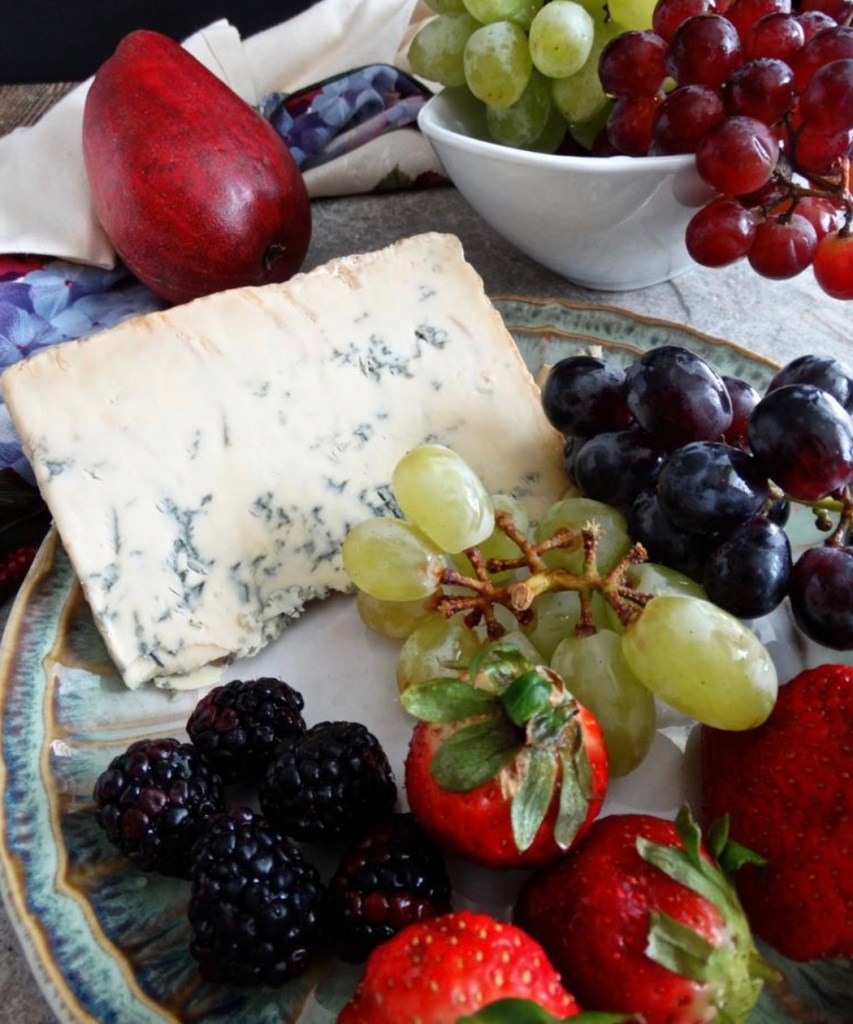
Sweets: Mango chutney, Ranch orange marmalade, raspberry jam & delicious Duck Pate. Fruits like San Marino Ranch oranges: sliced Valencia & Navel Oranges, Casm. Grapes, plump summer strawberries & raspberries & blackberries, exotic NZ Kiwi fruit sliced, mango sliced, sliced “Bell apples” & “white Ast.” apples (squeeze with lemon juice- so they won’t get brown), Muscat grapes (sweet) & stuffed sweet dried dates & dried apricots .
Savories: Laid on a fancy Gorman silver tray or a block of wood with water crackers or Slices on fresh baguette of French bread, boiled & sliced Virginia ham & smoked turkey, (probably Mayonnaise & Dijon mustard out incase a guest wants to make a sandwich). Served with New York cheddar cheese & Y. E. Cheese, candied or pickled ginger. With Roasted nuts & seeds from the San Marino Ranch, like toasted walnuts, pecans, & sunflower seeds. The cheeses were “E. cheese” (Eastern cheese which would be Cheddar or Edam cheese) & saltine crackers. Savory items like Bread & butter pickles, Baby cornichons, baby pickled corn, Queen olives or California olives with red pimentos or garlic stuffed inside, pickled Caper berries, popular Chow-chow, Pickled Beets, Pickled Okra, & Pickled Ginger, Smoked Oysters with Saltine Crackers & Sardines. Document: HEH Collection MS 8/9 uncat (SMR papers and receipts); HEH Collection MS 38/6 [Huntington Mansion Inventory brown book, abt 1927]
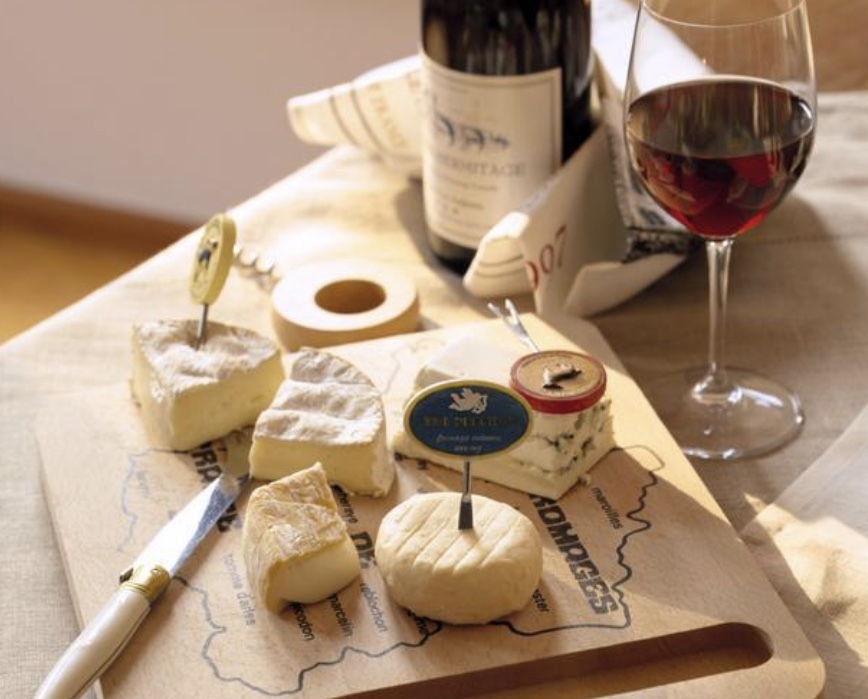
Mlle. Arabella D. Huntington’s Paris Mansion’s on 2 rue de Gabriel & Paris E’lysses & (Mrs. Huntington 2nd Paris Mansion) at 20 rue de la Lubeck : Usually on this Parisian cheese plate accompanied by a glass of French Champagne or French wine. The French Charcuterie Board served with Parisians goodies & very simplistic. Like several slices of French Sausage, French Cheeses, French Duck Pate, & cured Meats. Sometimes, high quality ham called “Prince de Paris”. Paris has hams injected with the essence of truffle, herbal rosemary, & citrusy bergamot herb.
In Paris, the “fromage” course was titled on a luncheon or dinner menu: “Une Assiette de Charcuterie (a charcuterie plate or a sophisticated cheese plate). At the restaurant at Musee d’Orsay in Paris: a Cheese plate or Charcuterie Board was a lovely combination of sliced soft French cheeses (French Brie or Camembert) & hard French cheese, cubes or sliced (sometimes with paper flags identifying them) & a goat cheese sliced. These cheeses served with sliced salami, sliced meat, & petit pickles. Also, served with a handful of olives, nuts like whole almonds, raisins, & dried fruit or grapes with herbs chopped & sprinkled on top. Served with a basket of warm sliced French bread (small baguette) & Walnut bread &r cheese bread or olive bread bite, or crackers.
A French charcuteries board can also range from a variety of French cheeses to a fancy “pate en croute” (pate in a crust in French). Nowadays, they call it a “Aperitif” served before people go out to a restaurant for dinner. The idea of a lovely Aperitif, is just a little nibble or baked French brie cheese in puff pastry with a cocktail like a French 75 or a cheese charcuterie board where the idea was born.
At the Huntington’s Chateau de Beauregard by Versailles & Paris, France: There were many cheeses listed on the Huntington Chateau’s “expenditures” [Chateau’s Head Chef -shopping list] (1913-1923). There was all kinds of beautiful French food, & French cheeses listed like Pont’l Eveque ( French soft cheese like Brie) Port Salut, Roquefort, Blue cheese, Brie, Camembert, & Cherve (French goat cheese eaten with water crackers or French bread slices). At the Chateau, they had many wonderful fruits, nuts, & condiments (French Dijon mustard) to add to a fromage charcuterie board. They had apple trees, pear, & walnut trees, in the 4-acre Chateau garden they had lettuces & arugula (rocket).
At the Huntington’s Chateau Beauregard, they had herbs to enhance cheeses or compound butter or Roquefort butter. Herbs to add to the Chateau conserves or herbal jellies (Lavender Jelly or Lavender Honey). Herbs like French tarragon, French thyme, flat-leafed Italian parsley, French chervil, baby chives, lovage, basil, & French lavender. To decorate the cheese Charcuterie board or add to the flavors of the vegetables or cheeses like goat cheese. French Lavender Honey is a fabulous addition to a French cheese tray.
In the 4-acre walled Chateau garden: their grew Haricot verts (green beans) maybe pickled, celery, & carrots. For bed of lettuce, they had “epinard” (spinach) & nutty arugula leaves. They had wild fennel (licorice tasting), persil (parley), wild mushrooms or Paris mushroom (pickled or marinated mushrooms), radishes, & carrots . Meats could be Toulouse sausage sliced, Turkey or ham sliced, served with fresh Baguettes of fresh French bread, sliced.
For a sweet tray, they had garden berries like raspberries, sliced pears & apples (squeeze of lemon), dried or fresh apricots, & French champagne petit grapes. They had sweet fruit Jams & Plum Conserves in small ramekins with French bread or crackers. Orange marmalade in a ramekin, Chateau pear conserve, Chateau tomato conserve with (ginger, tomatoes sugar & lemon slices), & French plum conserve made of cinnamon, lemon & sugar in ramekins. Also, lemon marmalade or orange marmalade or lavender honey is a French tradition. Document: HEH Coll. MS 12/1-30 (Chateau Beauregard 7 boxes)
French Compound Butter “Beurre maitre d’hotel” Recipe:
A compound butter is a mixture of sweet or unsalted butter with the addition of herbs & lemon juice with salt & pepper (mixed peppercorns are best). Herbs could be parsley, chervil, baby chives and garlic. It is fantastic, served in a ramekin with crackers or bread sticks or lovely French bread. Herbed sweet butter mixed with finely chopped with parsley, French tarragon, lemon juice & ground pepper mixed together & place in a ramekin or crock. Other herbs could be added like French tarragon, French thyme, baby chives or sweet basil. Used on steaks, chicken or buttermilk biscuits or savory scones, or potatoes. For a roll of compound butter: Mix ingredients up & place in waxed paper or parchment paper & roll up & place in freezer or refrigerator. When needed for charcuterie board, slice compound butter into 1/4″ slices; serve on a small pretty French plate. Or after mixing the compound butter, spoon into a ramekin or small crock. Serve with fresh French bread or crackers.
Document:
HEH Collection HEH 8/9 (Mr. H. E. Huntington’s San Marino Ranch papers)
Document: HEH Coll. MS 12/1-30 (Chateau Beauregard 7 boxes)
Document: HEH Collection MS Eph 40 Menus of Southern Pacific Co. Annual Dinner Banquets – May 1898 & 1897
Document : HEH Coll. 38/11 uncat (NY Household Bills 1919 – Huntington Mansion at No. 2 57th St NYC.
 Inside the Huntington's Story